
- News
- Peaks & Valleys
This story is from December 10, 2011
Peaks & Valleys
Proclamation as capital, Partition, Asian Games, riots... Delhi has seen it all.
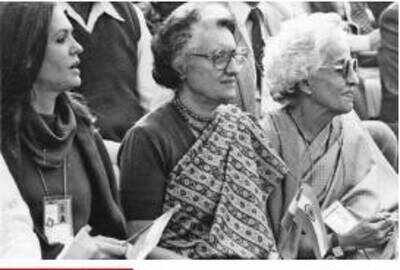
Proclamation as capital, Partition, Asian Games, riots... Delhi has seen it all.
IPL 2025 mega auction
Construction soon began on a new city of imposing imperial splendour. Its inauguration, in 1931, by the Viceroy, Lord Irwin, was also an august affair; even if a new Gandhian-inflected nationalism led many to tut-tut in disapproval of its grandness. The Raj also founded the University of Delhi in 1922. With the post-independence addition of other such institutions — notably IIT Delhi and JNU, in the 60's — ‘DU’ would help place the city on the global education map.
Independence itself brought both dizzying highs and tragic lows. Indeed, India's famous ‘tryst with destiny’ in 1947 is also firmly tethered in the public imagination to Delhi. As is the annual Republic Day parade, once a vitally symbolic event for a young and fractious nation.
Even so, a silver lining slowly emerged. In those grim beginnings was forged the steel that would build a megacity. A mammoth two-decade resettlement programme would help most refugees strike roots into the city. Many would also set out to grittily rebuild much of what they had lost. It makes for a sombre achievement today.
But violence returned in 1984, another black year for Delhi. Prime Minister Indira Gandhi was assassinated, a pogrom followed , 4000 Sikhs perished, and a new PM Rajiv Gandhi, shrugged off the violence. Yet only a year ago, the city had basked in the afterglow of a grand Asian Games, in 1982, and an impressive 1983 Non-Aligned Movement (NAM) conference.
1983 also saw Maruti Suzuki roll out its first car. Besides pushing Delhi into becoming a car-crazy city, it also focused attention on a bucolic Delhi suburb. A visionary real-estate kingpin soon pitched in and the city’s second building boom was triggered. New localities and townships sprang up all around New Delhi, migration increased, and a new National Capital Region became one of the world’s largest urban agglomerations.
And since its fortune we’re largely on about, the city’s luckiest patch of land would probably be the Ferozshah Kotla. The cricket stadium has seen Team India notch up 11 Test wins and remain unbeaten since 1987. There was some talk of abandoning it recently. But in keeping with another old Delhi tradition, however, wiser counsel prevailed.
End of Article
FOLLOW US ON SOCIAL MEDIA
Photostories

Hot Picks
TOP TRENDING
Explore Every Corner
Across The Globe
Election Results 2024Maharashtra NEET PG Counselling 2024Maharashtra Election ResultsJharkhand Election ResultsPAK vs ZIM Live Score
BGT Date and ScheduleIPL Total PlayersBadnera Election ResultRajasthan Byelection ResultsBihar Bypolls Result
Sunil GavaskarHow to Watch IPL Auction OnlineSharad PawarParner Election ResultsKopri Pachpakhadi Election Results
Popular Categories
Hot on the Web
Top Trends
IPL Auction 2025Election Results 2024India vs AustraliaVirat KohliMaharashtra Election NewsYashasvi JaiswalMaharashtra Assembly ResultsMahim Election ResultUP Bypolls Election ResultsElections Live CoverageYashavi Jasiwal HundredBypolls Election ResultsMallika SagarWhere to Watch IPL Auction 2025Mahim Election Result 2024Highest Test Opening PartnershipBandra East Election ResultsLive Cricket Score
Trending Topics
NayantharaColdplay Infinity TicketVijay DeverakondaMatt Byars Death NewsKanguva CollectionVirat KohliThe Sabarmati Report CollectionAvocado BenefitsBigg Boss 18Mechanic Rocky Twitter ReviewEllen DeGeneresAnupam MittalDiljit DosanjhHair GrowthAkshay KumarElon MuskMost Powerful Anime CharactersBsnl Recharge PlansJaguar Logo
Living and entertainment
Latest News
'Unexpected results': Two Congress defeats, Rahul Gandhi's identical responseIndia’s second-oldest living cricketer Chandrakant Patankar turns 94Athiya Shetty celebrates soon-to-be dad and husband KL Rahul's performance with a sweet post -'The one who never gives up'4.45 billion years old rock reveals Mars may have held the ‘key ingredient for life’Isro gears up for multiple launches; Spadex to demonstrate space docking on December 20Countries without railway tracks, stations, and networks including Maldives, Bhutan, Iceland, and moreVirat Kohli blows kisses to Anushka Sharma from the pitch after scoring centuryVirat Kohli ends century drought by conquering Australia in PerthIPL Auction 2025: Full list of sold and unsold players of all teamsKarma, Dharma, and Moksha: Insights from the Bhagavad GitaCongress leaders assemble at "Lucky Home" in Bandra to back party candidate Asif ZakariaIPL 2025 Auction: What is RTM card and how does Right to Match work?Virat Kohli: 'Anushka Sharma has been right by my side through thick and thin'Meet the ‘Chill Guy’: All you need to know about the viral memeVideo: Gulal catches fire, close shave for newly-elected independent MLA in Maharshtra during victory celebrationsCAT 2024 Slot 1 Analysis: Overall exam 'easier' than last year, check section-wise expert opinion and moreIPL Mega Auction 2025 Livestreaming and TV: Where to watch in USA, UK, Canada and more?IPL 2025 Mega Auction Time in USA timezones: What time is the event in ET, CT, MT, PT?
Copyright © 2024 Bennett, Coleman & Co. Ltd. All rights reserved. For reprint rights: Times Syndication Service